Electric Vehicles (EV) are growing in popularity and showing no signs of slowing down as we head into the largest Energy Transformation in most of our lifetimes. The number one strategy to slow down climate change, is to transition from fossil fuels to Electrification as fast as we can.
Not only do EV’s help climate change they also:
- Improve air quality.
- Lead to quieter neighborhoods and streets.
- Improved health for our community and broader environment.
Electric Vehicle Timeline
2025 – Data sees Australia having 15% – 20% of all new cars purchased being EV’s. In 3 years’ time, if the average house has 2 cars, you could expect that every third house in the street will have an EV. 1 in 5 cars at the gym, a motel, shopping centre or your workplace, are every chance of being electric.
2030 – Data sees Australia having 40% – 50% of all new cars purchased being EV’s. In 6 – 7 years’ time, if the average house has 2 cars you could expect that every house in the street will have an EV. This is every second car at the gym, motel, shopping centres and your workplace.
2035 – 100% Electric Vehicles can only be purchased.
To back this data up Horan & Bird sent out a survey to our 30,000 customers.
We asked the question, when would your household look at purchasing an Electric Vehicle:
28.7% – 1-4 years’ time.
41.5% – 5 to 8 years’ time
29.7% – Said when there was no other choice.
Our data backed up the national research but also indicated that our Solar Customers as early adopters are most likely to turn to Electric Vehicles first.
The Acceleration of EV Purchases
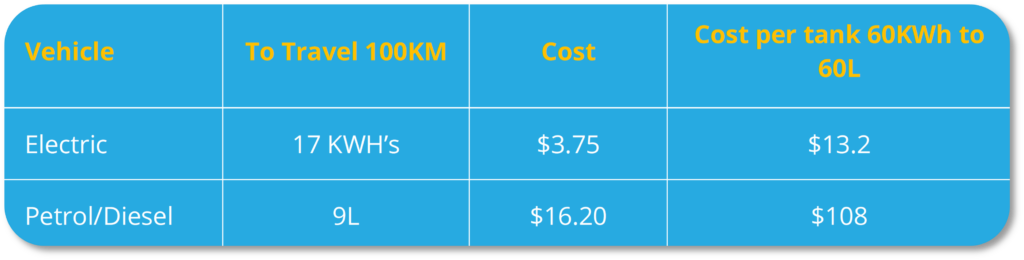
Not only is an electric vehicle, quiet, clean, and fast, they just save you money.
The Savings:
Rebates and Incentives for Electric Vehicles:
QLD, NSW, VIC and SA – $3000 Rebate for new EV along with Stamp Duty reduction.
NT – 5 Years free Registration and $1500 stamp duty reduction
ACT – 2 Years Free Registration and a $15,000 interest free loan.
TAS – No Stamp Duty and 2 years Free Registration.
With the savings in stamp duty, registrations and with Government rebates the price difference between a new Petrol Car and an EV are close now. When you add the saving’s in fuel each week, you could easily save up to $25,000 over 5 years.
So not only does it make a big difference to our environment it also just makes financial sense too.
Charging Patterns
Our research points to 77% of Electric Vehicle users like to charge their vehicles at home. However, this is mainly due to the lack of chargers available to them where they work, shop, eat or go the gym.
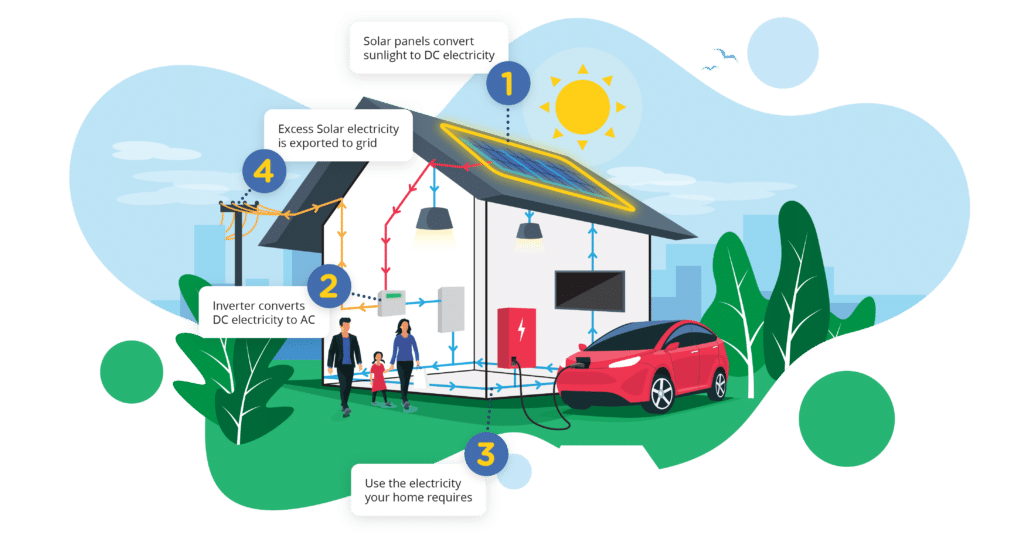
Our findings indicate that EV owners would rather charge up at work and then take home a charged-up car home to plug into their home to supplement their houses electricity usage at night. Electric Vehicles are a very large battery that can also run your home.
The large chargers that are being installed at petrol stations and supermarkets are great to get you out of trouble on a long road trip, but are not great for the long life of your battery.
Tips for Your EV Battery Life
There is no doubt that the modern EV’s battery management systems are very sophisticated.
However here are some top tips:
- Try to avoid deep discharging of your battery pack. Lithium – ion packs prefer partial cycle rather than a deep discharge. This means that topping up your car slowly and regularly where you go to the gym, eat, shop and work just makes sense.
- On a hot day, park your car in the shade.
- Lithium cells like to be left at a mid-voltage level when your car is being stored for an extended period of time. Only charge your car to 60%.
- Reduce the usage of quick DC chargers as fast charging hurts the batteries.
- When buying a charger for your home, look for a Solar Enabled EV Charger. These chargers use the excess solar from your home to charge your car and only uses the grid when it must. These smart chargers are great for a long healthy battery and a cheaper power bill.

Founder of Horan & Bird. Director of Master Electricians Australia and Board Member of Solar Accreditation Australia. John has played a key entrepreneurial role in the transformation of the Energy Landscape in Queensland.