Changes To Cheaper Home Batteries Program From 1 May 2026 – Solar Battery Rebate
The Australian Government’s Cheaper Home Batteries Program has been a pivotal initiative in promoting clean energy adoption and making battery storage more accessible for households. With changes coming into effect from 1 May 2026, it’s essential to understand how the solar battery rebate and other program changes will impact homeowners considering installing batteries to store their solar energy.
Overview of the Cheaper Home Batteries Program
What is the Home Battery Program?
The cheaper home batteries program is a federal battery rebate initiative designed to encourage million Australians to install a battery and integrate home storage solutions with their existing or new solar system. By offering a rebate, the program aims to reduce battery costs, making solar batteries a more financially viable option for households looking to maximise their use of renewable energy and reduce their reliance on the grid. The program continues to evolve with technology and market dynamics.
Importance of the Battery Rebate
The battery rebate is a crucial component of the program, directly addressing the upfront financial barrier that many homeowners face when considering battery installation. The rebate reduces battery prices, making them more competitive with traditional energy sources. This incentive is particularly important as it encourages homeowners to invest in battery systems that can store excess solar energy generated by rooftop solar panels, increasing the overall efficiency and sustainability of their home energy use.
Key Objectives of the Program
The key objectives of the cheaper home batteries program include accelerating the adoption of clean energy and promoting energy storage solutions across Australian homes. By providing financial incentives like the battery rebate, the program aims to encourage homeowners to install a battery and embrace solar energy, reducing their carbon footprint and contributing to a more sustainable energy future. The program targets to provide a range of battery and incentivise larger batteries that provide more home storage. The changes to cheaper home batteries from 1 May 2026 aim to align with declining battery costs and maximise the impact of the solar battery rebate.

Upcoming Changes from 1 May 2026
Details on Changes to the Cheaper Home Batteries
The changes from 1 May 2026 represent a significant shift in the cheaper home batteries program, designed to align with battery costs and the evolving needs of Australian households. These changes to the cheaper home batteries program focus on optimising the solar battery rebate and ensuring that the incentives remain effective in promoting clean energy adoption. The details of the changes will be closely watched by both homeowners and solar companies alike.
Rebate Reductions and Tapering Effects
As part of the changes from 1 May 2026, the battery rebate will undergo reductions and tapering. The changes to the program ensure the federal battery rebate adapts to the current market dynamics and ensure the rebates are more targeted. These rebate reductions and tapering effects will influence the financial decisions of homeowners considering battery installation, potentially impacting the attractiveness of certain battery systems. It makes the most sense to get a larger battery sooner rather than later, to get maximum battery capacity for the lowest cost after the rebate.
Impact on Battery Systems and Sizes
The upcoming changes to the cheaper home batteries program are expected to impact the choice of battery systems and battery size for many homeowners. The changes to cheaper home batteries may cause shifts in consumer preferences towards specific battery capacity and affect the viability of installing batteries.
Key Dates and Deadlines for Applicants
Timeline for Changes to the Program
The timeline for the changes to the program leading up to the 1 May 2026 involves several important phases, including policy announcements and adjustments to the battery rebate. Stakeholders, including homeowners and solar companies, will need to stay informed about each milestone. The federal battery rebate adjustments could influence battery system costs and choices. The changes to cheaper home batteries could even lead to an increase in solar panels being installed.
Final Application Dates for Current Rebates
Understanding the final application dates for the current federal battery rebate is essential for homeowners who install a battery and are looking to capitalize on the existing incentives. The changes to cheaper home batteries program from 1 May 2026 will bring about new eligibility criteria and rebate amounts, and applications that meet the current requirements should be submitted before the deadline. These final application dates represent the last opportunity to secure the rebates, so you should plan accordingly. Getting a bigger battery sooner makes the most sense!

The Future of Energy Storage and Home Batteries
Trends in Energy Storage Solutions – Move Towards Self Consumption
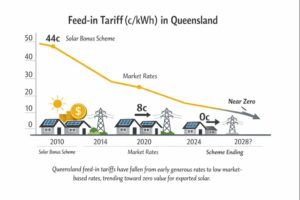
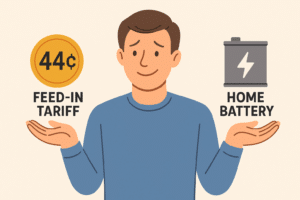
The future of energy storage is being driven by trends that focus on self-consumption and home storage. Solar energy generated by rooftop solar can now be stored and used during times of high demand, reducing reliance on the grid and lowering electricity bills. Battery storage solutions are also becoming more affordable because rebates reduce battery prices. The changes to cheaper home batteries program will likely encourage further innovation and uptake of the battery systems, which will cause installing batteries to be more advantageous, especially when compared to the dropping feed in tariffs.
Conclusion: Adapting to Changes in Battery Rebates
Adapting to the changes from 1 May 2026 in the federal battery rebate requires understanding the implications for battery costs, system selection, and overall financial planning. The changes to cheaper home batteries program will impact the feasibility and attractiveness of battery installation for many homeowners. The battery rebate changes will affect the choices for battery capacity. Homeowners must stay informed of these changes to the program and adapt to the program changes. Contact our team today to make your move and maximise your return!

Founder of Horan & Bird. Director of Master Electricians Australia and Board Member of Solar Accreditation Australia. John has played a key entrepreneurial role in the transformation of the Energy Landscape in Queensland.